Looking after yourself
Whether you have epilepsy or are supporting someone with epilepsy,
here you can learn from others experiences.
Turn self care into a healthy lifestyle

“I put a reminder in my calendar every fortnight, to think about lifestyle management… Just prompt yourself and do what you can, have another wee read of the guidance to reinforce it.”
– Yvonne
Guidance
Swipe for more guidance
Preparation to change your habits (Thistle Foundation)
Habits are things we do without having to think about them. They are automatic – like driving a car or making a cup of tea.
Managing a healthy lifestyle is about making changes and developing new habits that help your situation. For example: learning to relax, managing your energy levels, enjoying regular exercise.
Preparing to change our habits can be difficult. It takes time but it can be done!
Read the Thistle Foundation’s guidance on how to make and maintain change. For example by carrying around a list of reasons why you want to change or sticking a list of your plans on the fridge.
Remember to reward yourself too!

Have a Hygge Day
Hygge, pronounced “hue-gah”, is a Danish word that means to be cosy and look after yourself by caring for your surroundings, especially in winter.
The Quarrier’s team have adopted this idea and created a seven day hygge challenge. It outlines a different activity each day to help you relax and look after yourself.
After seizure care

It can take a long time to recover from a seizure, from a few hours to a few days. After a seizure, people with epilepsy can feel confused, tired, sad, sore or may have memory loss. They may also be scared about having another seizure afterwards.
Everyone is different but it’s important to take time to rest and feel better after a seizure. Different people told us what they do afterwards to feel more relaxed and positive.
“Do what makes you feel comfortable. It can be psychologically upsetting to have a seizure again, especially after a while, so use calming techniques and try to regain perspective.”
– Epilepsy Nurse Specialist
Guidance
Swipe for more guidance
Lifestyle management guided videos
“Lifestyle management on soundcloud is great, I like Sam’s relaxation activities”
Breathing exercises
Listen to other people’s experiences and engage in breathing exercises.

Listen to relaxing sounds
“I find that listening to music really helps and listening to the rain or dolphin chatters”
Realistic goal setting

“Make goals achievable, don’t beat yourself up if it’s too hard. It doesn’t need to be a big goal.”
– Yvonne
“Make it clear that it’s small at first, and then bigger goals”
– Lyndsey
Guidance
Swipe for more guidance
Goal Setting (Thistle Foundation)
Long term goals can feel unachievable but by thinking about our goals and breaking them down into smaller steps we can gradually grow towards them. Use the following guidance from the Thistle Foundation to learn how to consider and set goals.
Making an Action Plan (Thistle Foundation)
Action plans can help you to think through your goals setting and create steps to keep you on track. Use the following template from Thistle Foundation.
Minimising and Recovering from Setbacks (Thistle Foundation)
Challenges and setbacks are inevitable. Listen to the Thistle Foundations guidance for mitigating and overcoming them.
Manage energy levels by pacing yourself

“I do find it very difficult to pace myself. I put a reminder in my calendar every fortnight, to think about lifestyle management… Just prompt yourself and do what you can, have another wee read of the guidance to reinforce it”
– Yvonne
Guidance
Swipe for more guidance
Pacing: Activity and Energy Management (Thistle Foundation)
Pacing is all about balancing mental, emotional and physical activity with periods of deep rest. Pacing enhances our energy levels and brings about improvements in the way we feel.
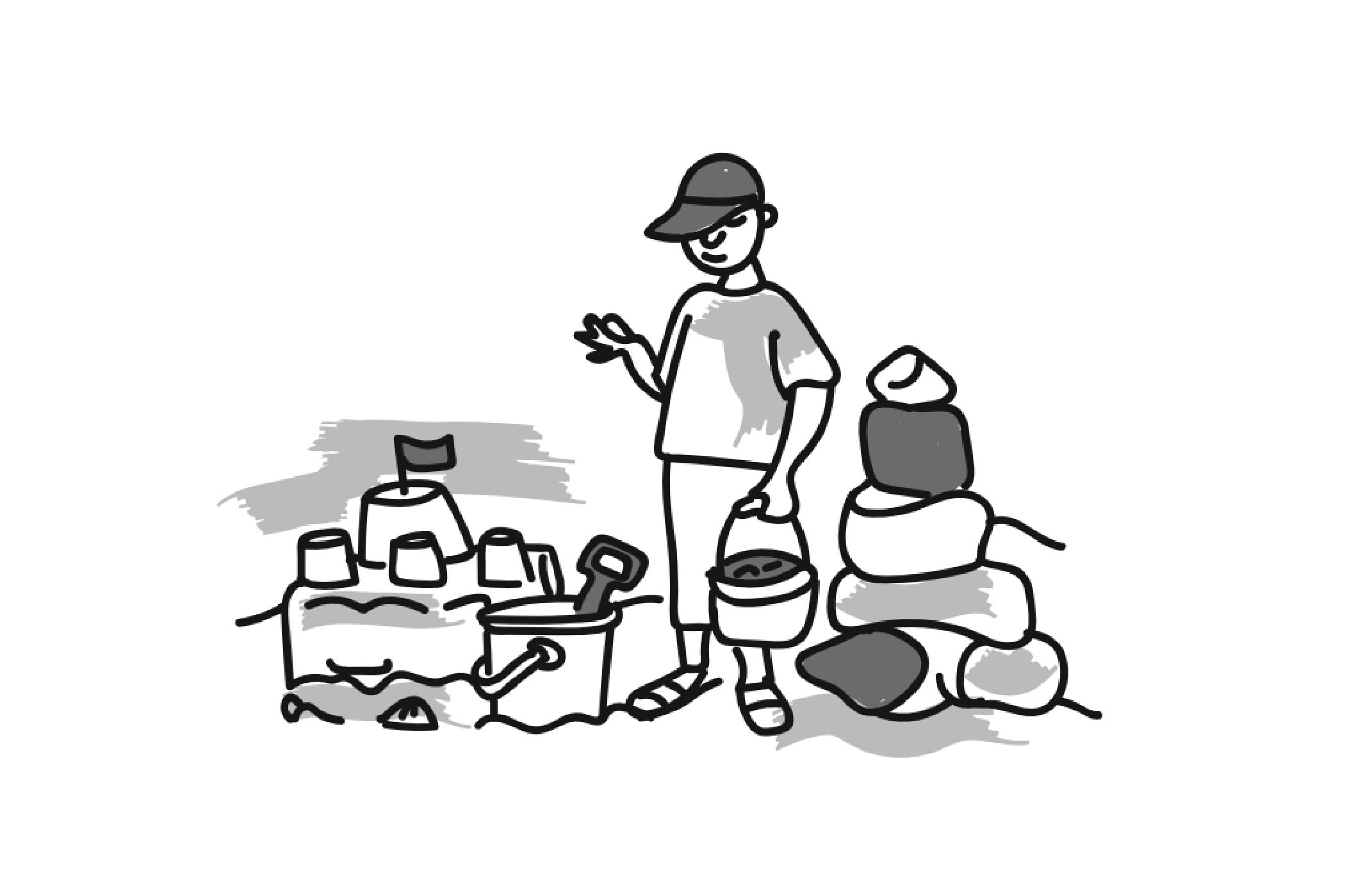
Prioritising what’s important to you (Thistle Foundation)
Sometimes it feels like life is throwing thousands of little things at you. This can quickly become overwhelming and can prevent you from managing your time and prioritising what’s important.
The Thistle Foundation calls this ‘rocks and sand’. The littles things are the ‘sand’, but they can take up a lot of room. If you fill your time doing lots of little things, then you might never have room for the important stuff, the ‘rocks’.
If you tackle the important things first then you’ll find it easier to manage your time and fit some of the small things in too.

Poster Making - Setting Personal Reminders
“Don’t give yourself a shake, give yourself a break. That’s the reminder I put up on my wall”
– Yvonne
Create a personal mantra and turn it into a poster or screen saver to remind you to look after yourself.
Rest and sleep well

“I think my seizures were getting worse when I was tired, and then that would make me more tired and it was a bit of a cycle. Putting the effort into sorting out my sleep has been tricky but having better sleep has definitely helped.”
Guidance
Swipe for more guidance
Sleep Well Poster: Your Guide to a Better Sleep
Having a good night’s sleep can really improve your wellbeing and research suggests that there are many connections between sleep and epilepsy.
The Quarriers Epilepsy Centre, with help from the Thistle Foundation, has created this poster as a guide to help you sleep well.
If you can, print the poster out and put it up on your bedroom wall as a reminder of how to get a better sleep.
Sleep Management (Thistle Foundation)
Sleep and rest can affect our energy levels and moods, and how we deal with them. Poor sleep patterns can also add to stress, which contributes to the cycle of bad sleep.
For many people with epilepsy, a lack of sleep can be a significant seizure trigger. For others, night time (nocturnal) seizures can disrupt a good night’s sleep and lead to sleeping habits that promote insomnia e.g. napping during the day to ‘catch up’ on lost sleep.
The Thistle Foundation has provided guidance for creating healthy sleeping habits and associations.