Finding out what’s going on
Whether you have epilepsy or are supporting someone with epilepsy,
here you can learn from others experiences.

Learn about your epilepsy
“People tend to use doctor google a lot but epilepsy is so unique to you. Looking up medication can sometimes lead to looking at all the things that could go wrong, such as side-effects.”
– Michelle
Guidance
Swipe for more guidance
NHS Inform - About Epilepsy
Epilepsy is a neurological condition that affects around 54,000 people in Scotland. Epilepsy can be a result of changes or damage to the brain, but in around seven out of ten cases, there is no known cause.
There are many different types of seizure but they rarely last longer than a few minutes. However it can take a person much longer to recover after a seizure. Everyone’s experience of epilepsy is different, so it’s important to discuss treatment with your GP and an epilepsy nurse specialist if there is one in your area.
Talk Epilepsy Podcast (Epilepsy Scotland)
The Talk Epilepsy Podcast is brought to you by Epilepsy Scotland. The podcast helps provide information and support for people living with epilepsy in Scotland.
There are over 30 episodes that feature a range topics from employment to mental health and stress management.

Epilepsy Awareness Sessions
Epilepsy awareness sessions and workshops are delivered by Epilepsy Connections and the Quarriers Epilepsy Community Outreach team.
Epilepsy Connections deliver these across Glasgow and Forth Valley. The Quarriers Outreach team deliver these in Aberdeenshire, Moray and Fife.
The sessions provide awareness support for people with epilepsy, their families, schools and workplaces. Get in touch with them directly to find out more about how to access this support.
The development of these sessions was funded by the Scottish Government Neurological Care and Support in Scotland.

Tell people about your epilepsy
“After diagnosis, or even if you have only had one seizure and no diagnosis, learn all you can about seizures and epilepsy and make sure those closest to you know too. I had my second seizure over a year after my first and my friend had no idea what to do.”
– Eloise
Guidance
Swipe for more guidance
Having Conversations About Your Epilepsy: A Supportive Guide
Speaking confidently to different people about your epilepsy will help you develop positive relationships. It will also help those around you to better understand epilepsy and learn how to offer the right kind of support.
We recognise that having conversations with different types of people can be very difficult, for example employers, teachers or new friends.
The Quarriers Epilepsy Centre has developed this set of guidance in response to the needs of real people. IT includes general tips for all types of conversations, guides for specific situations and tips for handling different responses.
The guidance has been adapted from content by the Thistle Foundation and NHS Ayrshire and Arran Neuropsychology.

Tips for telling others about your epilepsy (The Epilepsy Space, Epilepsy Action)
It’s your choice who you tell about your epilepsy and when. However, telling the people around you may provide some benefits. Conversations about epilepsy can help other people understand how to support you and it can strengthen your relationships.
Epilepsy Action has provided tips for how to tell different people such as family, friends, romantic partners, teachers, employers and colleagues.

Explain epilepsy to children
“When I was going through diagnosis and telling my wee girl what was happening, someone gave us this book and we read it together”
– Rachel
Guidance
Swipe for more guidance
Seizure Smart in schools (Epilepsy Connections)
Epilepsy Connections offers a Seizure Smart programme for schools to teach children about epilepsy.
If your child has epilepsy, consider contacting the school and Epilepsy Connections to sign them up to the programme.
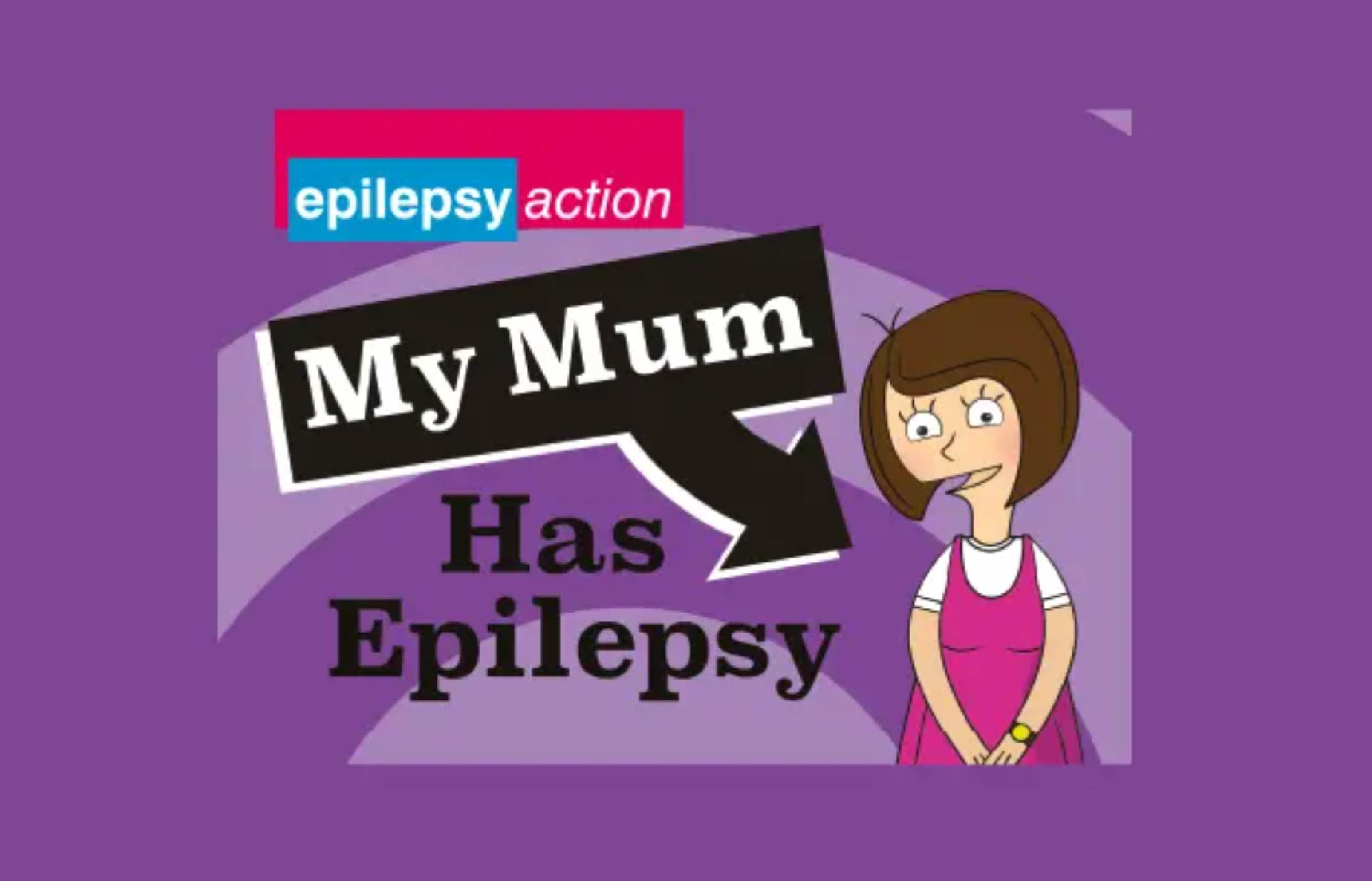
My Mum has epilepsy
Aimed at children aged between 6 and 13. This 32 page booklet is the story about a child whose mum has epilepsy. It covers what epilepsy is, diagnosis, treatment and the fact that epilepsy is nothing to be afraid of.
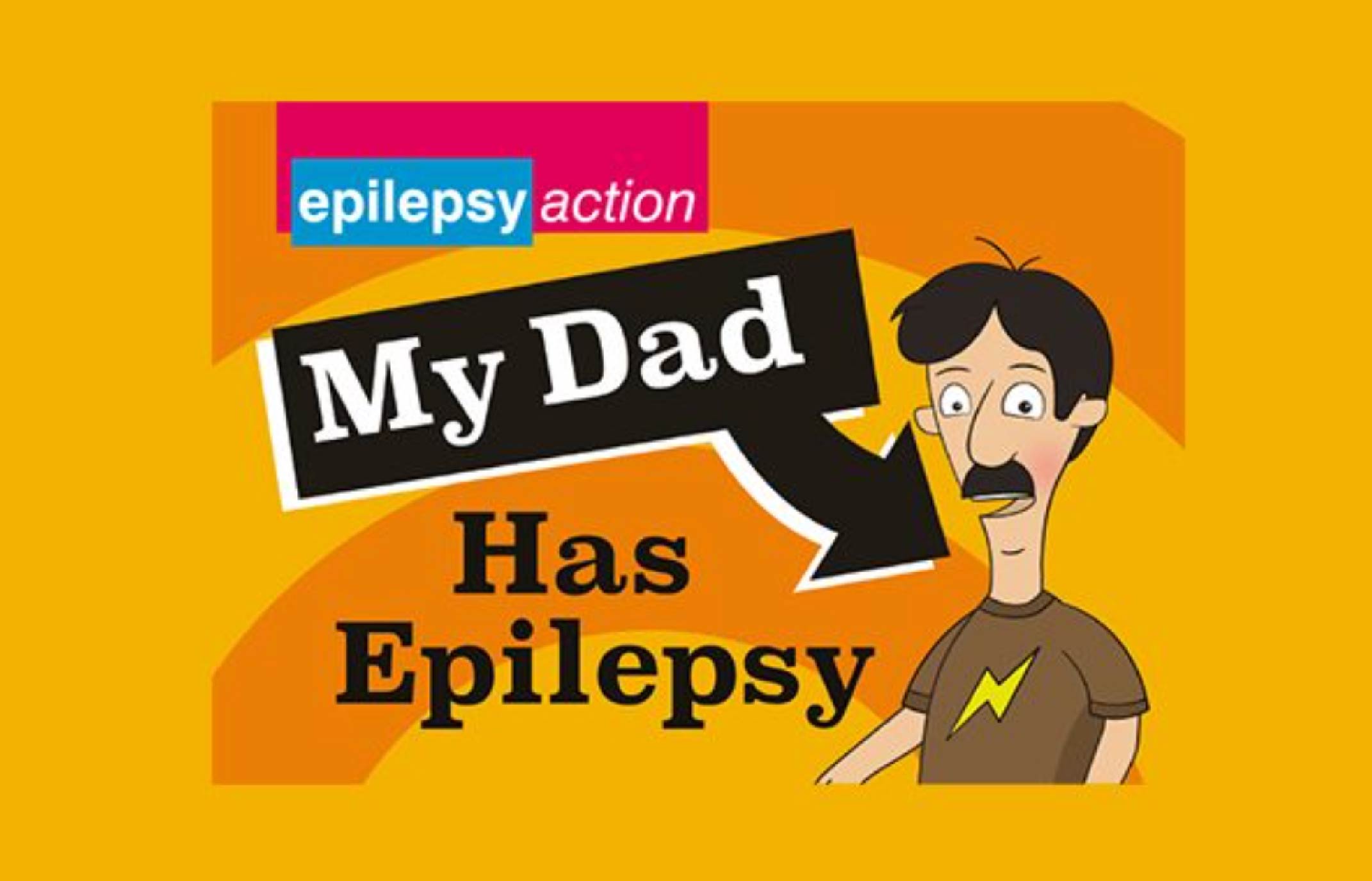
My Dad has epilepsy
A book for parents to explain their epilepsy to children ages 6 to 13.
Just for kids - pack
An epilepsy information and activity pack is for 5-11 year olds living with the condition
